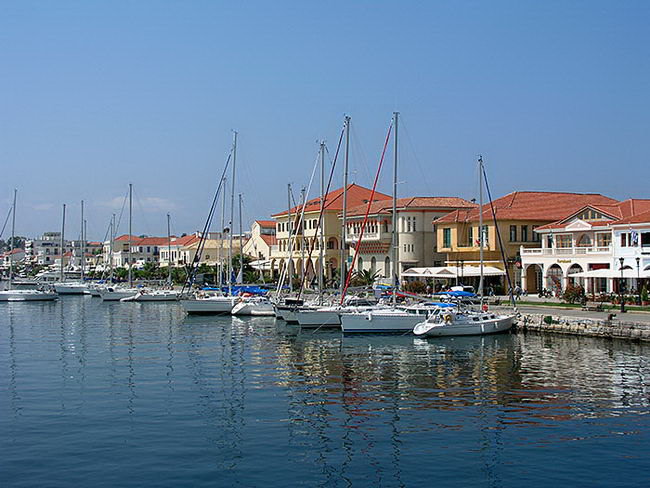

Location
GPS Data Aktio-Marina
Latitude: 38.9508° Longitude: 20.7671°
Distances between the islands:
Lefkada: 9 n.m. Paxos: 32 n.m. Corfu: 58 n.m. Kefalonia: 68 n.m. Zakynthos: 79 n.m. Ithaca: 49 n.m.
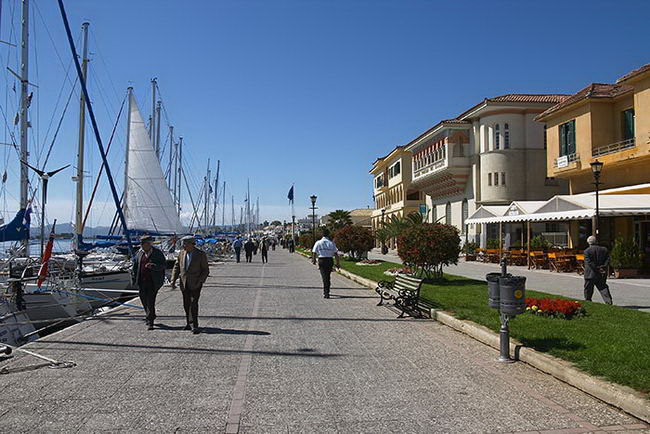
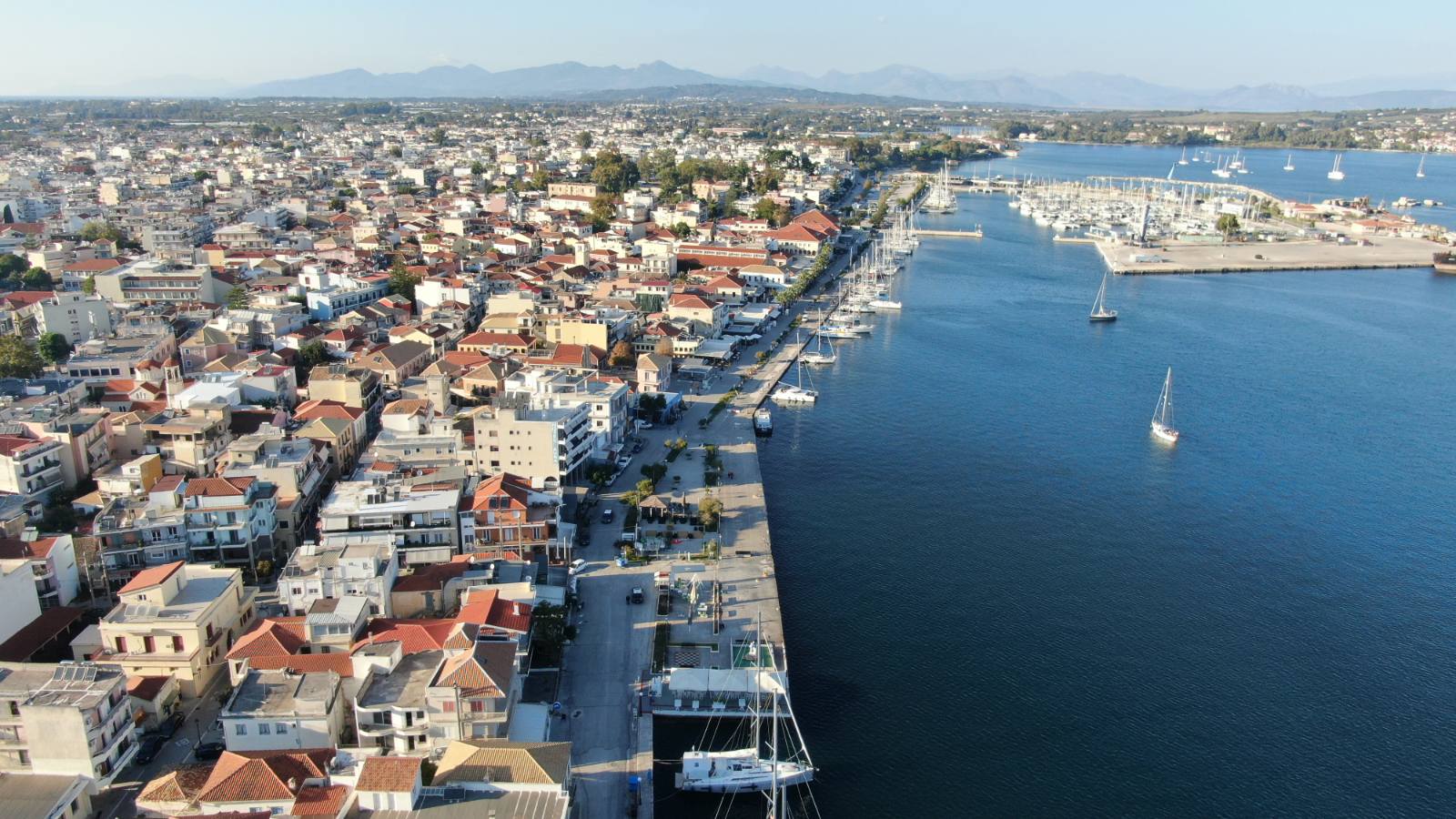
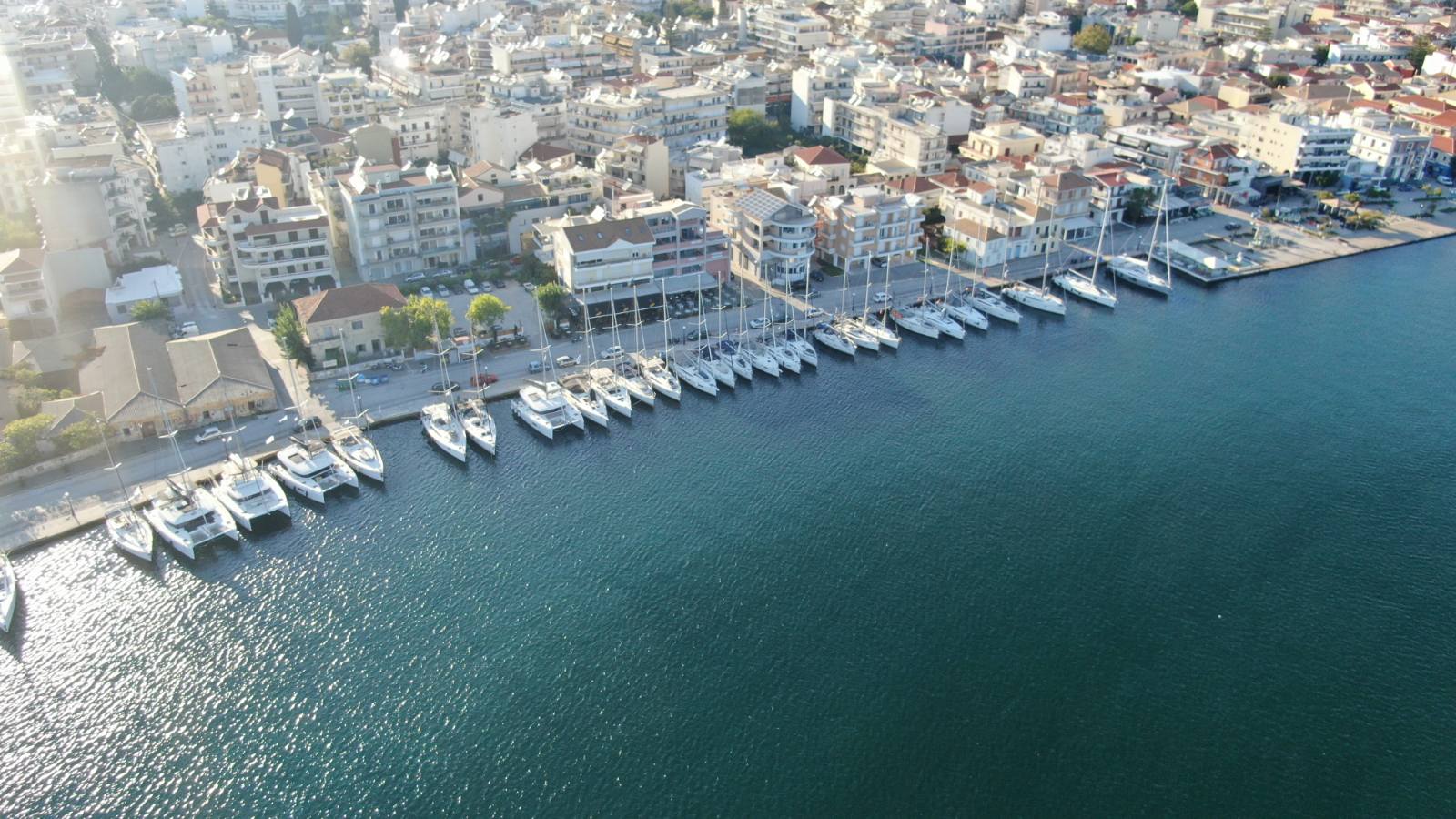
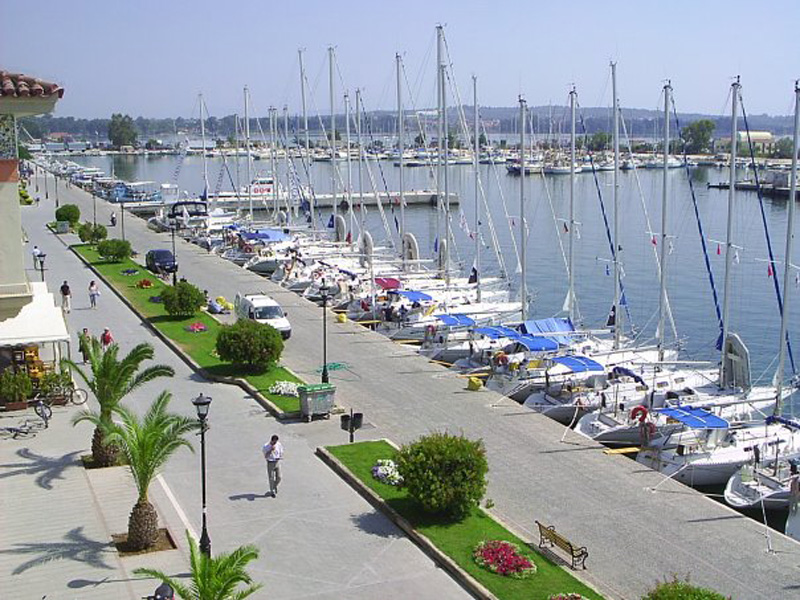
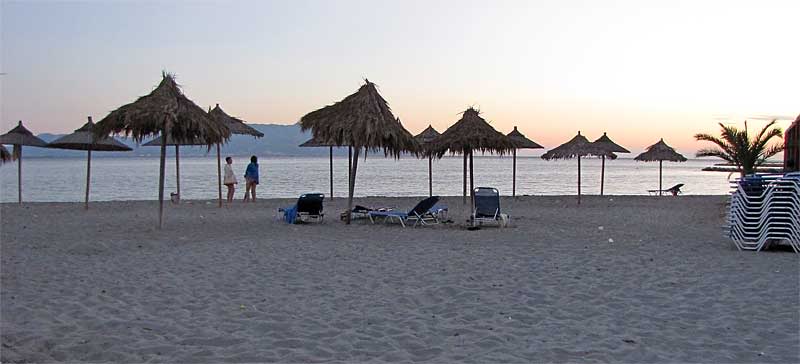
Aktion is the last Cape of Acarnania, at the entrance of Amvrakikos Gulf, across from Preveza, which lies just 725 meters. Aktion is known worldwide, beyond the Battle of Actium, by the NATO namesake airport (stationed here aircraft electronic warfare AWACS) and the civilian airport with daily domestic and international flights. In Aktion cape, was in the 5th B.C. Century the famous Temple of Apollo Aktion, built by the inhabitants of the ancient city of Anactorium (located near Vonitsa). This temple has been demolished by an earthquake and subsidence of the sea. Around 100 carved stone blocks of the Temple of Apollo Aktion transferred in Preveza, today located on the beach of Kyani Akti. Every two years at Actium were taking place the «Aktion», horse races, athletic and celebrations to commemorate the Akarnanikes cities God Apollo (God of music and arts). In the sea area of Actium (and the current Preveza), was in the 2nd of September of 31 B.C. the naval battle that decided the fate of the top leadership of the Roman State. Today Aktion communicates with the coast of Preveza through underwater tunnel length of 1.5 km. for vehicles. The undersea road crossing channel Aktion – Preveza ensures faster connection with Etoloakarnania, Southern Greece and the coastal zone of the county of Preveza – Thesprotia and the port of Igoumenitsa.
A magnificent Ionian city to its present name was first mentioned in the late 13th century. Its unique and unforgettable sun, combined with the green and endless lacy coastline, with the wide sandy Ionian coast makes Preveza an ideal place to stay. A special feature is the many beaches that are integrated in the urban fabric giving the insular features. The wealth of the region consists of the combination of its natural resources, the historical evidence of monuments and cultural heritage, the mild Mediterranean climate and its people, who are polite and friendly. The city is located at the entrance of Amvrakikos Gulf, surrounded by the old Venetian olive grove and the beaches of the Ionian and Amvrakikos Gulf. It provides access to the Ionian coast, with sandy areas and total length of beaches over 50 km,( in a short distance from the Preveza – Igoumenitsa roadway), to the Amvrakikos Gulf, with numerous lagoons on the north side, and the nearby river mouth of Louros and Arachthos rivers, with great ecological interest. South of Preveza is Etoloakarnania and the island complex of Lefkada, while in the northwest, there are countless small seaside semi-mountainous villages, like Parga (traditional resort, located one hour by car). Walking through the pedestrian streets of the market and the narrow streets of the historic centre, you will enjoy traditional dishes that accompany the famous “ouzo” city. You will see many old houses of Preveza and the famous Venetian clock tower (1756), the Cathedral of Saint Charalambos with carved gilded iconostasis (1828), rare photographs and paintings from 1804 influenced by Venetian painting. The Theatre, the Odeon, the baths, the Nymphaeum, the Roman and Byzantine Walls, the Gymnasium, the Aqueduct and the Basilica with famous mosaics witness the splendour of a glorious city that flourished until the 10th and 11th century. Preveza quickly developed into a big city, after acquiring exceptional privileges and franchises, as a «free» Greek city. The population reached 300,000 inhabitants. North of the city and about 8 km., in a green landscape, stretching from the Ionian Sea to the Amvrakikos, are the ruins of Nicopolis, built by Octavian in commemoration of his victory over Antony and Cleopatra in the naval battle of Actium on 2 September 31 B.C. In the main market, awaits you the museum Aktion, a reminiscence of the past and the bust of the poet interwar, K. Karyotakis. Hiking to the outskirts of the city you will find the aesthetic forest of Kyani Akti, a forest of trees throwing the shadow at sea. By bike around the city, you will admire the castles and bastions, monuments of Venetian and Turkish occupation and at the end of your day, you will enjoy the most beautiful sunset in Greece, in Pantokratoras.
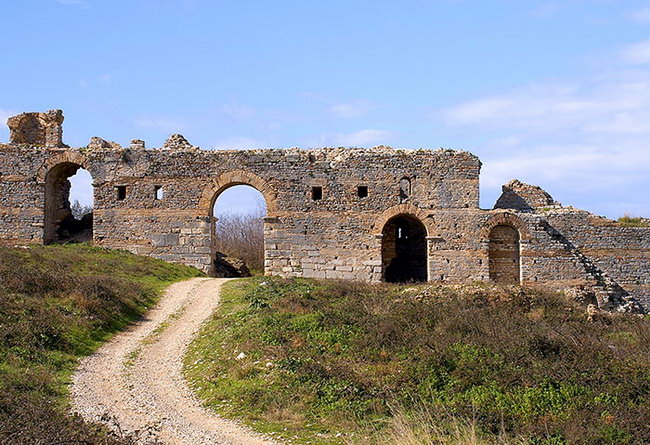
Battle of Aktio The battle was the result of civil war between Gaius Octavian and Mark Antony, who claimed, after the assassination of Caesar, the power to the endless state of Rome. It ended with the defeat of Antony and Cleopatra and their escape. Ancient Nikopolis The ancient Nicopolis spreads over an area of 9000 acres on the peninsula of Preveza, in SW Epirus. Established by Octavian after the battle of Actium in 31 B.C., when the inhabitants of the neighboring cities of Epirus, Lefkada, and Acarnania were then forced to settle in the area. The city enjoyed special political and economic privileges. It had its own mint and organized every four years the Aktion, which included athletic competitions, music and race. Nicopolis was spiritual men attraction of the era, such as Epictetus (89 A.D.). The population of the city continued during the Byzantine period. As a transportation and commercial hub between East and West Port in the Ionian and Amvrakikos Gulf, became the capital of the Roman province of the Old Continent and Episcopal seat, knowing heyday. The economic and political crisis of the third century A.D., earthquakes and invasions of the Goths seriously affect the life of the city. In 395 A.D. sacked by Alaric and 475 A.D. conquered by the Vandals. With the invasion of the Goths of Totila (551 A.D.) begins to decline and in the late 9th or early 10th century no longer exists. nikopolis_1 The most important monuments of Ancient Nicopolis include: The Nymphaeum. It consists of two buildings with simple, not decorated facade and niches inside. In this ended the pipeline carrying water from the belt into Nicopolis. It is doubtful whether the buildings are modern. Of these, the north must be built in the early 3rd century A.D. The Conservatory. It consists of a hollow, the orchestra and the stage. Three semicircular arcades support the hollow, ensuring slope. Ii was built in the 1st century A.D. and was used until the second half of the 3rd century A.D. The Northern Baths («Bentenia»). Roman public building, consisting of curved and rectangular spaces connected together with a plurality of openings and bear semicircular niches. The monument of Augustus. Established by Octavian-August, 31 B.C., after the battle of Actium and was dedicated to Mars, Poseidon and Apollo Actium. It consists of a stone barrier, top hat, which had annexed the bronze rams of Anthony’s ships. The remaining spoils of the battle were housed together with the sculptures in a gallery on the plateau above the podium. The Theatre. The scene is high, possibly two floors, with three arched entrances. The performances were given in the «logion» between the stage and the orchestra. Three underground corridors facilitated ancillary to these elements of the spectators in the hollow, below which there were as many galleries.